Get Rolled Roofing Installation in Seattle, WA
Rolled roofing installation services help Seattle property owners repair or replace aging, damaged, or leaking roofs on sheds, garages, or flat commercial buildings.
Rolled roofing installation services provide a practical solution for property owners in Seattle, WA seeking durable and reliable roofing options. Whether upgrading an existing roof or installing a new one, property owners often explore local contractors who specialize in this work to ensure a quality finish. Planning a roofing project involves considering the unique weather conditions of the area, making it important to compare local options that understand the specific demands of the Seattle climate.
For those evaluating their roofing choices, connecting with experienced service providers can help clarify the best approach for their property. Local contractors offer insights into materials, installation techniques, and long-term performance, helping property owners make informed decisions. Keep reading to learn more about how to find reputable professionals who can handle rolled roofing installation tailored to the needs of Seattle-area homes and businesses.
- Commercial Roofing - when a business or industrial facility in neighborhoods like South Lake Union needs a durable, long-lasting roof solution.
- Residential Roofing - for homeowners in areas such as Ballard or Capitol Hill seeking reliable roof coverage for their homes.
- Emergency Repairs - when unexpected damage from storms or falling debris requires prompt attention from local contractors.
- Roof Replacement - for property owners in historic districts or new developments needing to upgrade aging or damaged roofing systems.
- Flat Roofing Installation - when building managers or developers in urban areas like Pioneer Square require specialized flat roof services.
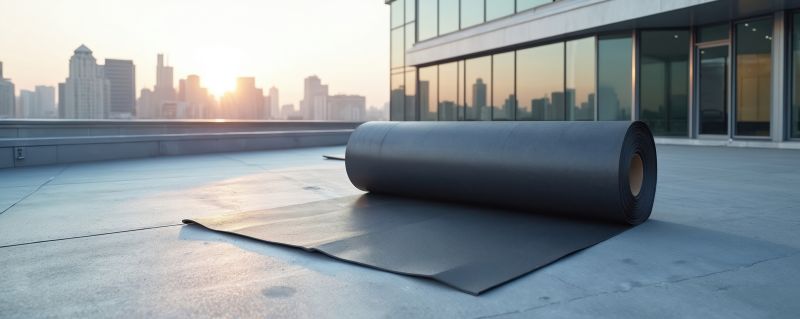
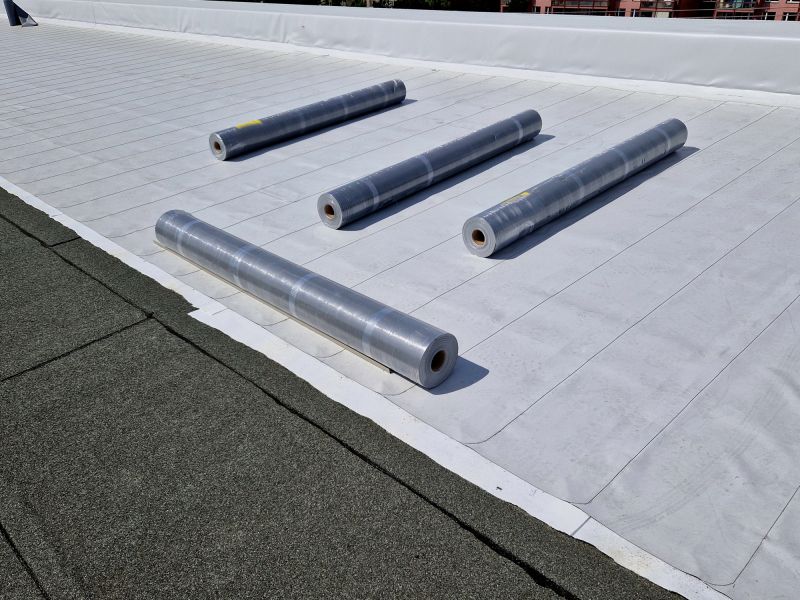
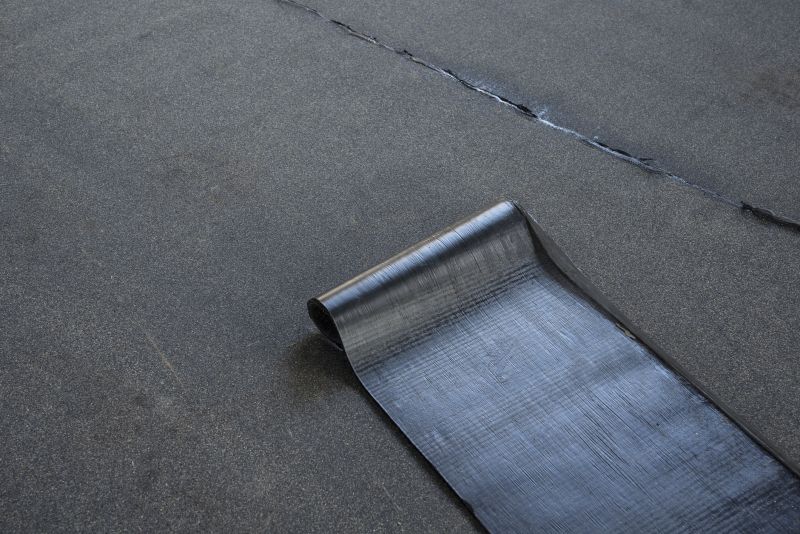
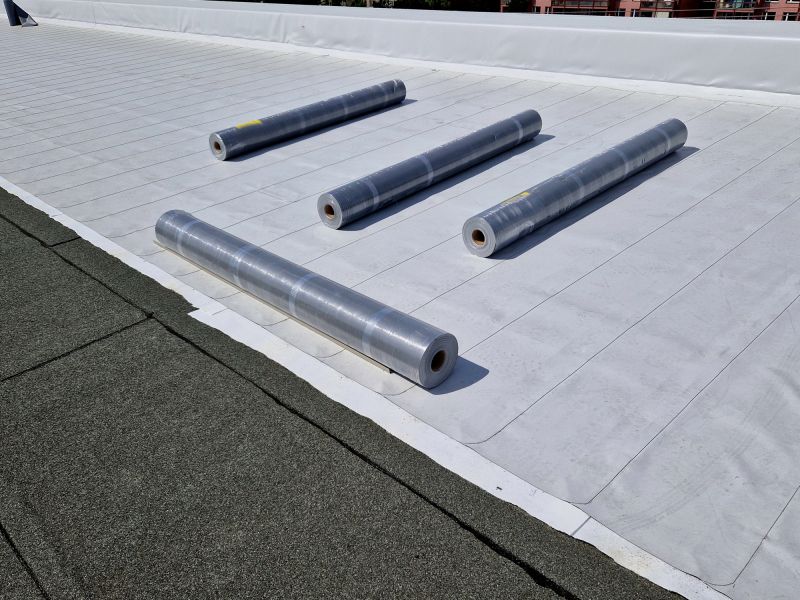
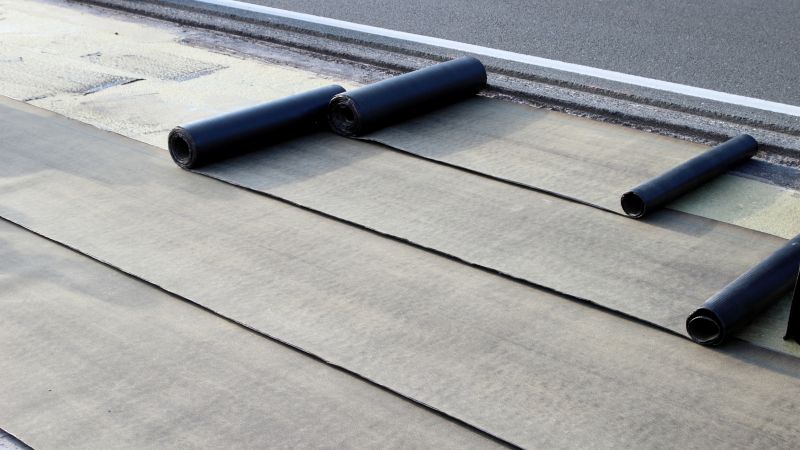
Rolled roofing installation involves applying a continuous sheet of roofing material directly onto a roof surface. This method typically uses asphalt-saturated felt or other similar materials that are rolled out and secured in place, creating a seamless and uniform covering. The process is often straightforward, making it a practical choice for covering flat or low-slope roofs efficiently. Professional contractors prepare the existing roof surface, lay down the rolled material carefully to ensure proper adhesion, and seal the edges to provide a weather-resistant barrier.
This service helps address common roofing problems such as leaks, roof deterioration, or damage caused by weather exposure. Over time, roofs can develop cracks, tears, or areas where the existing material has worn thin, leading to water intrusion and increased energy costs. Rolled roofing provides a quick and effective solution to restore the integrity of a roof without the need for a complete tear-off or extensive repairs. It can also serve as a protective layer during roof renovations or as a temporary cover until a more permanent solution is implemented.
Properties that often use rolled roofing installation include residential homes with flat or low-slope roofs, especially in areas where weather conditions can accelerate roof wear. Commercial buildings, garages, sheds, and other outbuildings frequently benefit from this type of roofing because of its durability and cost-effectiveness. It is also suitable for smaller projects or structures where a quick, reliable roofing solution is needed. Homeowners with aging roofs or those seeking to improve waterproofing may find rolled roofing to be a practical option to extend the life of their property.
When considering rolled roofing installation, homeowners should evaluate their property’s roof type, slope, and existing condition. This service is particularly useful for properties that experience frequent rain or snow, as it provides a dependable barrier against moisture intrusion. Local contractors who specialize in rolled roofing can assess the specific needs of a property and recommend the best approach to ensure a durable, weather-resistant roof. Contacting experienced service providers can help determine if rolled roofing is the right choice to protect and enhance a property’s roof system.
The overview below groups typical Rolled Roofing Installation projects into broad ranges so you can see how smaller, mid-sized, and larger jobs often compare in Seattle, WA.
In many markets, a large share of routine jobs stays in the lower and middle ranges, while only a smaller percentage of projects moves into the highest bands when the work is more complex or site conditions are harder than average.
Smaller Repairs - Most minor rolled roofing repairs in the Seattle area typically cost between $250 and $600. These projects often involve patching small sections or fixing minor leaks and are common for routine maintenance. Costs can vary depending on the extent of the damage and roof size.
Full Replacement - Replacing an entire rolled roofing system generally ranges from $1,500 to $3,500 for average-sized residential roofs. Larger or more complex projects can exceed this range, but many homes fall within the middle tiers of pricing.
Large or Complex Projects - Larger, more intricate rolled roofing installations or replacements, especially on commercial properties, can reach $5,000 or more. These projects are less common but are necessary for extensive roofing systems or difficult access situations.
Additional Costs - Extra expenses such as removing old roofing, additional prep work, or dealing with unique roof features can add to the overall cost. Many projects land in the middle price ranges, with fewer jobs reaching the highest tiers due to complexity or size.
Actual totals will depend on details like access to the work area, the scope of the project, and the materials selected, so use these as general starting points rather than exact figures.
Flat Roof Repair - local contractors experienced in flat roof repair often utilize similar planning and materials as rolled roofing installation, ensuring proper waterproofing and durability.
Commercial Roofing Services - professionals handling commercial roofing projects frequently work with rolled roofing materials, requiring knowledge of large-scale installation and surface preparation.
Roof Waterproofing - waterproofing projects share techniques with rolled roofing installation, including surface preparation, sealing, and the use of similar tools and materials.
Garage Roof Installation - installing garage roofs often involves similar skills in surface assessment, material handling, and precise application of roofing membranes like rolled roofing.
Roof Coating Applications - applying protective roof coatings involves surface prep and material application skills comparable to those used in rolled roofing setup.
Shed Roofing Projects - small-scale shed roofing projects require similar planning, material selection, and installation techniques as rolled roofing for larger structures.
When evaluating service providers for rolled roofing installation, it is important to consider their experience with similar projects. Homeowners should look for local contractors who have a proven track record of handling roofing projects comparable in size and scope to their own. An experienced contractor will be familiar with the specific requirements of rolled roofing, including material handling and installation techniques suited to the local climate and building styles. This familiarity can help ensure the job is completed efficiently and to a high standard, reducing the likelihood of issues down the line.
Clear written expectations are essential when choosing a roofing contractor. Homeowners should seek providers who can offer detailed project descriptions, outlining the scope of work, materials to be used, and the steps involved in the installation process. Having these expectations documented helps prevent misunderstandings and provides a reference point throughout the project. Reputable local contractors will be transparent about what the work entails, ensuring that both parties are aligned on the goals and deliverables before the project begins.
Effective communication and reputable references are key indicators of a reliable service provider. Homeowners are encouraged to inquire about references from recent clients who had similar rolled roofing projects completed. Talking to past customers can provide insights into the contractor’s professionalism, reliability, and quality of work. Good communication throughout the process-responding promptly to questions and providing updates-also helps build confidence that the project will be managed smoothly. Connecting with local pros who prioritize clear communication and have positive references can lead to a more satisfying roofing experience.
Property owners in Seattle, WA use Rolled Roofing Installation services for practical projects around their homes and businesses. This guide focuses on everyday jobs and straightforward project options.
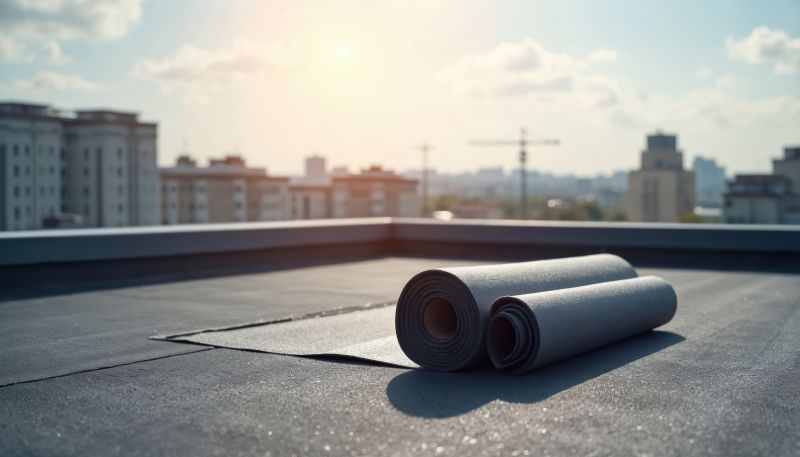
Rolled roofing installation is a common solution for property owners in Seattle, WA, especially when needing a quick, affordable way to protect flat or low-slope roofs. Local contractors often handle projects such as replacing worn-out roofing on garages, sheds, or commercial buildings, where a durable and weather-resistant covering is essential. Homeowners may seek these services after noticing leaks, water damage, or deterioration caused by the region’s frequent rain and moisture, making timely replacement or repair a priority.
In addition, property owners might look for rolled roofing installation when upgrading or maintaining structures that require a straightforward roofing option. Local service providers can assist with covering new additions, temporary structures, or areas needing a cost-effective solution for short-term or long-term use. Whether addressing storm damage or replacing aging materials, many Seattle-area property owners turn to experienced contractors to ensure their roofs are properly installed to withstand the local climate.
What is rolled roofing and how is it installed? Rolled roofing is a continuous sheet material that is unrolled and applied directly onto a roof surface, typically using adhesives and fasteners. Local contractors can prepare the roof deck, lay down the rolled material, and secure it properly to ensure a durable installation.
What types of buildings are suitable for rolled roofing? Rolled roofing is often used on sheds, porches, and low-slope roofs where a cost-effective and straightforward roofing solution is desired. Local service providers can assess the structure to determine if rolled roofing is appropriate.
How long does rolled roofing typically last? The lifespan of rolled roofing varies depending on material quality and installation, but it generally lasts around 5 to 10 years. Local contractors can provide guidance on maintenance to help extend its durability.
Can rolled roofing be installed over existing roofing materials? Yes, rolled roofing can often be installed over existing roofing if the surface is flat and in good condition. A local professional can evaluate the existing roof and advise on proper preparation for installation.
What are common issues to watch for after rolled roofing installation? Potential issues include blistering, cracking, or lifting of the material. Regular inspections by local service providers can help identify and address problems early to maintain roof integrity.
Weatherproofing Roofs - Rolled roofing installation can help property owners improve their roof’s resistance to rain, snow, and wind, especially in areas with frequent storms.
Renovating or Upgrading - Homeowners looking to update an aging roof or add a new layer can consider rolled roofing as a practical solution for quick and effective coverage.
Repairing Small Leaks - When minor leaks or damage occur, local contractors can install rolled roofing to provide a temporary or long-term fix.
Covering Flat Roofs - Property owners with flat or low-slope roofs may choose rolled roofing for a cost-effective way to protect and extend the life of their roofing system.
If you are thinking about Rolled Roofing Installation for a property in Seattle, WA, this guide is meant to help you understand the work, the typical project types, and how different options might fit your plans.
When you are ready, you can use the quote form on this page to share a few details about your project. From there, local pros can review the basics and respond with options that match what you have in mind.